Birds on Your Property Look Harmless. The Damage They Cause Is Not.
A few pigeons on the roof seems like a minor inconvenience. A nesting colony of starlings in your eaves is a completely different problem. And by the time most property owners realise what’s actually happening, the damage is already significant.
Bird droppings are highly acidic. They eat into roofing materials, block gutters, corrode metal flashing, and cause serious staining to rendered walls and concrete surfaces. A large pigeon colony on a commercial building produces hundreds of kilograms of droppings annually. The structural and cosmetic damage accumulates fast.
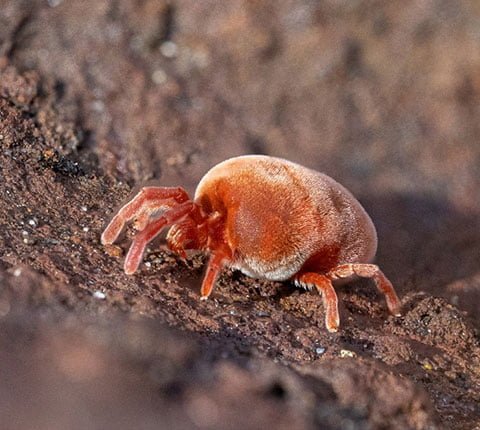
Beyond the physical damage, birds bring secondary pest problems. Nests in roof voids harbour bird mites, fleas, and ticks. These parasites stay in the nest while the birds are present. When the birds leave or the nest is abandoned, thousands of mites migrate into the living space below in search of a new blood source. We cover this in detail on our Mites Control page, but the important point here is that a bird problem is rarely just a bird problem.
Birds also introduce disease risks. Accumulated droppings carry bacteria and fungi including Salmonella, Listeria, and Histoplasma capsulatum. The last one causes a serious fungal lung infection when dry faecal dust is inhaled. Cleaning up accumulated bird droppings without the right protective equipment and procedure carries genuine health risks.
Melbourne 24×7 Pest Control provides professional bird control services across Melbourne for homes, businesses, and commercial properties. We assess the species, the nesting and roosting locations, and the scale of the problem before recommending the right combination of exclusion and deterrent methods. We’re available seven days a week with same-day assessments available for urgent situations.
Bird Species We Control in Melbourne
Pigeons
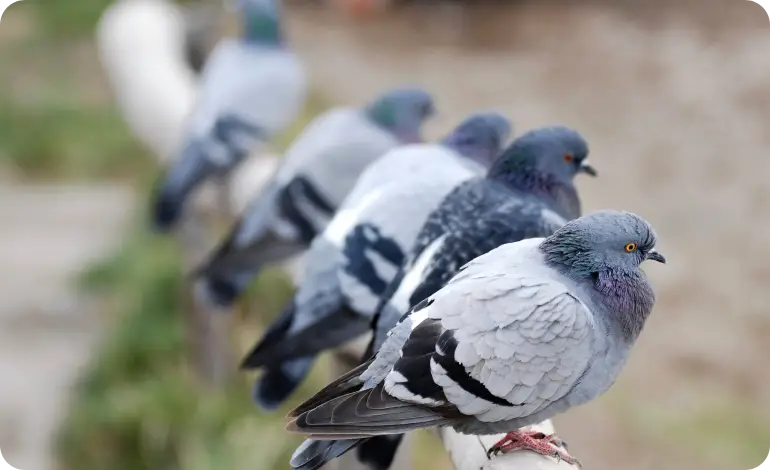
Feral pigeons are the most commonly controlled bird species across Melbourne’s CBD, inner suburbs, and commercial areas. They roost and nest on ledges, roof voids, window sills, air conditioning units, and any sheltered horizontal surface. A small pigeon presence becomes a large colony quickly. A single pair can produce up to ten offspring per year under ideal urban conditions. Their droppings accumulate fast and the fouling of surfaces, gutters, and machinery creates ongoing cleaning and maintenance costs.
Sparrows and Starlings
Sparrows and starlings are small but prolific nesters. They squeeze into roof voids, eaves, wall cavities, and ventilation gaps and build dense nests from debris and plant material. These nests block ventilation, create fire risks when built near electrical wiring, and produce large amounts of nesting debris and droppings inside the roof space. Starling nests in particular can become heavily infested with bird mites during the nesting season.
Seagulls
Seagulls create significant problems on flat commercial and industrial rooftops, particularly in Melbourne’s inner south and bayside areas. They nest in groups, produce large volumes of corrosive droppings, and become highly aggressive when defending nesting sites. Staff and customers near nesting areas face real injury risk from swooping behaviour during breeding season.
Mynas and Other Introduced Species
Indian Mynas are an aggressive introduced species that displaces native birds and nests in roof voids and wall cavities. They create similar nesting and fouling problems to sparrows and starlings and benefit from professional exclusion rather than deterrence alone.
Why Bird Control Requires a Professional Approach
Legal Protections Apply
All native Australian birds are protected under the Wildlife Act 1975 in Victoria. You cannot harm, disturb, or destroy the nest of a native bird without appropriate authorisation. Introduced pest species like pigeons, sparrows, starlings, and Indian Mynas don’t carry the same protection, but any bird control method must still comply with relevant legislation and codes of practice.
Getting species identification right before any work starts matters legally as well as practically.
Deterrence vs Exclusion
Most DIY bird products focus on deterrence. Plastic owls, reflective tape, and cheap spike strips have limited effectiveness. Birds habituate to static deterrents quickly. Within days or weeks, they simply work around them.
Effective bird control combines physical exclusion with appropriate deterrents matched to the specific species and location. Netting prevents access entirely. Professional-grade spike systems create an inhospitable landing environment on ledges and rooflines. Wire systems and tension wire installations work on architectural features where netting isn’t practical. Each method suits specific applications and species.
Fitting the wrong solution wastes money and leaves the problem unsolved.
Our Bird Control Methods
Bird Netting
Bird netting physically excludes birds from specific areas. We use UV-stabilised netting appropriate for the application and install it to professional standards with secure fixings that maintain the building’s appearance. Netting works well for courtyards, roof voids, loading dock areas, and large open spaces that birds access for roosting.
Bird Spikes
Professional-grade stainless steel and polycarbonate spike systems prevent birds from landing and roosting on ledges, signage, parapets, guttering, and roof edges. Correctly installed spikes last many years and require minimal maintenance. Poorly installed or cheap systems fail quickly and leave gaps birds exploit immediately.
Solar Panel Exclusion
Solar panels create ideal nesting conditions for pigeons and sparrows. The gap between the panel and the roof provides shelter, warmth, and safety from predators. Birds nesting under solar panels cause fouling of the panels that reduces efficiency, create fire risks from nesting material near wiring, and generate significant bird mite pressure in the roof void and living areas below.
We install purpose-designed mesh exclusion systems around solar panel arrays that prevent bird access without affecting panel performance or warranty conditions.
Nest Removal and Sanitisation
Removing active or abandoned nests from roof voids and eave spaces is a critical part of any bird control job. Nests left in place after exclusion continue to harbour mites, fleas, and other secondary pests. Sanitisation of the affected area reduces ongoing health risks and removes the scent markers that attract new birds to the same location.
Covering All of Melbourne, Every Day of the Year
We service the full Melbourne metropolitan area including the CBD, inner suburbs, and all outer north, south, east, and west suburbs through to the Mornington Peninsula. Residential homes, strata complexes, commercial buildings, warehouses, hospitality venues, aged care facilities, schools, and industrial properties. Assessments and same-day callouts available every day including weekends and public holidays.
Stop Bird Damage Before It Becomes a Major Cost
Call Us Now on 0450 510 555
Melbourne 24×7 Pest Control. Licensed technicians. Humane methods. Lasting results