Location

That Thumping in Your Ceiling at Night? It’s Almost Certainly a Possum.

Possums are one of the most disruptive household pest problems in Melbourne. They’re large, vocal, and completely unbothered by the humans living below them. Once a possum finds its way into your roof void, it treats the space as its own territory and returns every night without fail.

The noise alone is exhausting. But the damage possums cause in a roof void goes well beyond the sound. Electrical wiring gets chewed through. Insulation tears apart as they pull it into nesting material. Urine and droppings accumulate in the same spots night after night, producing a strong ammonia smell that eventually pushes through the ceiling lining below. Left unchecked for months, possum activity creates hygiene risks and causes damage that costs significantly more to repair than the removal itself.

Possums Are Protected. That Changes Everything.

Both the Common Brushtail Possum and the Common Ringtail Possum carry full protection under the Wildlife Act 1975 in Victoria. You cannot trap, harm, relocate, or interfere with them without a licence. Any unlicensed attempt to remove a possum from your property is illegal. The penalties are real.

This is why possum removal is a completely different job to most pest control. The animal cannot be harmed. It cannot be taken and released kilometres away. The law requires release within 50 metres of the capture point. The only lasting solution is to let the possum leave on its own through a one-way exit system and then seal every entry point before it returns.

Melbourne 24×7 Pest Control handles possum removal correctly and legally. We’re licensed, we use humane methods that comply with Victorian wildlife legislation, and we seal your property thoroughly so the possum can’t get back in. We’re available seven days a week with same-day assessments available.

Two Possum Species. Two Very Different Problems.

Common Brushtail Possum

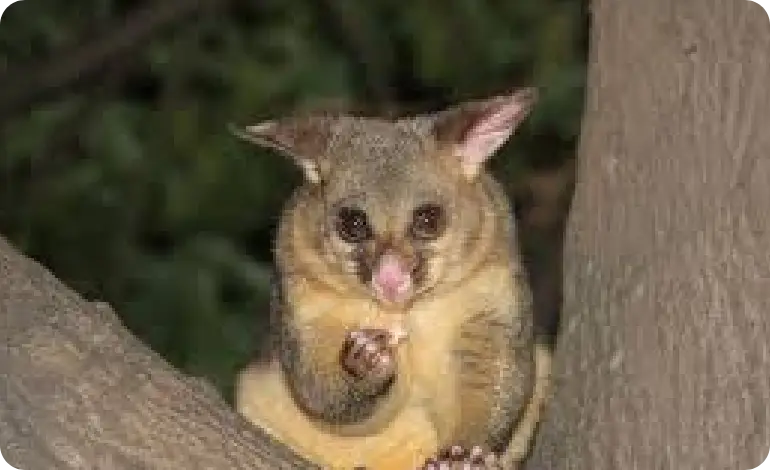
The Brushtail is the large, stocky possum most Melbourne households deal with. It’s about the size of a domestic cat, produces the heavy thumping sounds that travel through ceilings, and typically nests alone or as a pair. Brushtails are strongly territorial. Once they establish a roof void as their home range, they defend it aggressively against other possums and return to the same entry point night after night.

Brushtails cause the most structural damage of the two species. Their larger body weight means more wear on roof timbers. They chew wiring actively and produce large volumes of urine in concentrated areas of the roof void.

Common Ringtail Possum

Ringtails are smaller and lighter than Brushtails. They build dreys, which are ball-shaped nests made from leaves and plant material, in garden vegetation and sometimes in roof spaces and wall cavities. They’re less destructive than Brushtails but their nesting material inside wall cavities can block drainage points and create moisture problems. Ringtails are more commonly found in garden situations than in roof voids, though roof entry does happen.

Why Sealing Entry Points Is the Most Critical Part of the Job

Most people focus on getting the possum out. The part that actually determines whether the problem stays solved is what happens after.

A possum that gets excluded from one property immediately seeks an alternative shelter location. If your roof still has any unsealed gap, gap around a pipe, loose soffit panel, or deteriorated ridge capping, the possum or another possum finds it within days. Melbourne’s possum population is dense in established suburbs. Territory pressure is constant. An unsealed roof is an open invitation.

What a Thorough Proofing Job Covers

Effective possum proofing means inspecting the entire external perimeter of the roof at ground level and from the roof itself. Every tile edge, every ridge cap, every gap around plumbing and electrical penetrations, every soffit join and fascia board gap gets checked. Entry points are sealed with materials that resist possum access. The one-way exit door stays in place for several nights to confirm the possum has left before the final seal goes on.

Cutting corners on this step is why so many people have the same possum problem return within weeks of a job being done.

What We Do When a Possum Dies in the Roof

A dead possum in a roof void or wall cavity produces an extremely severe odour. It peaks around five to seven days after death and can make a property nearly unliveable for several weeks if the carcass stays in place.

This is a separate service from standard possum removal. We locate the carcass, access the roof void or affected wall area, remove the animal, sanitise the immediate area, and advise on deodorising the space. If the death occurred as a result of the possum consuming bait intended for rodents, we also advise on reviewing the baiting approach to prevent it happening again.

Secondary Problems Possum Activity Causes

Wiring Damage and Fire Risk

Possums chew electrical wiring. This is not rare. It creates a genuine fire risk and can cause intermittent electrical faults that are difficult to diagnose until someone inspects the roof void. If your property has had possum activity for more than a few months, an electrical inspection of the roof space is worth doing after the possum is excluded.

Mites and Secondary Pests

Possum nesting material harbours mites and other parasites. When the possum leaves, those parasites look for a new host. Residents below the affected roof area start experiencing unexplained biting sensations. Sanitisation of the roof void after possum removal reduces this risk considerably.

Urine Odour and Ceiling Staining

Possum urine soaks into insulation and roof timbers over time. It produces a persistent ammonia smell that worsens in warm weather and can stain ceiling lining from above. Replacing heavily soiled insulation and applying odour treatment to the roof void is sometimes necessary after a long-term possum occupation.

Covering All of Melbourne, Every Day of the Year

We service the full Melbourne metropolitan area including the CBD, inner suburbs, and all outer north, south, east, and west suburbs through to the Mornington Peninsula. Homes, rental properties, strata complexes, commercial buildings, and heritage properties. Assessments and same-day callouts available every day including weekends and public holidays.

Stop Losing Sleep Over What’s in Your Ceiling

Call Us Now on 0450 510 555

Melbourne 24×7 Pest Control. Licensed technicians. Humane removal. Proper proofing. Guaranteed results.

FAQ - Possum Removal Melbourne

The sound is the clearest indicator. Possums are large animals. They produce heavy, thudding footsteps across the ceiling and make scraping, dragging sounds as they move around. You’ll often hear them entering and leaving through the same point around dusk and again before dawn.

Rats produce a completely different sound. They’re smaller and faster. The noise is lighter, scurrying, and frantic rather than slow and heavy. Rats are also active throughout the night rather than concentrated around entry and exit times. If you’re hearing both types of sounds, it’s possible you have both. We confirm the species during inspection before recommending any treatment approach.

No. Only licensed operators can legally trap and handle possums in Victoria. Relocating a possum to a new location is also prohibited. Research has shown that relocated possums experience severe stress and die within a short period after release in unfamiliar territory. The law requires release within 50 metres of the capture point, which means the goal is to exclude the possum from your property and let it find alternative shelter in the immediate area rather than removing it from its home range. Attempting to trap or relocate a possum yourself carries legal penalties under the Wildlife Act 1975.

Almost certainly because the entry point wasn’t sealed while the possum was outside the roof. If you seal the entry point while the possum is inside, it either finds another way out and in, or it becomes trapped inside the roof void and eventually dies there. The correct process installs a one-way exit door at the main entry point, allows the possum to exit naturally at night, and confirms the roof is empty before sealing the final opening. Every other potential entry point on the property also needs sealing at the same time. If any gap remains, the possum finds it quickly.

Very likely yes. A dead possum in a roof void or wall cavity produces an intense, sweet-rotten odour that can become overwhelming within a week. The smell peaks and then gradually reduces over several weeks as decomposition progresses, but in warm Melbourne summers this process takes much longer and the odour is significantly worse.

Don’t try to locate the carcass yourself without protective equipment. Possum carcasses attract secondary pests and the roof void environment carries hygiene risks. Call us and we’ll locate, remove, and sanitise the affected area. We also advise on whether the death is connected to rodent baiting, which is a common cause of possum fatalities in urban properties.

Generally yes. In Victoria, landlords must maintain a rental property in good repair and in a condition that is reasonably fit for habitation. A possum in the roof void, particularly one causing noise, damage, and odour, falls under that obligation. The landlord is also responsible for sealing the entry points that allowed the possum access, since that’s a maintenance issue related to the building structure.

Document what you’re experiencing with dated notes and, if possible, audio recordings of the noise. Notify your property manager in writing and request that a licensed technician be organised promptly. If the landlord is unresponsive, Consumer Affairs Victoria can provide guidance on your options under the Residential Tenancies Act.

Thorough sealing of every potential entry point on the building is the primary prevention measure. Possums are persistent climbers and explorers. Any gap larger than a fist that provides access to a sheltered space is a potential entry point.

Beyond the building itself, providing an alternative nesting option nearby reduces the pressure on your roof. Installing a possum nesting box in a suitable garden tree gives the local possum a legitimate shelter option and makes your roof less attractive by comparison. Keeping overhanging tree branches trimmed away from the roofline also reduces the ease of roof access for possums moving through the garden.

Yes, and this is more common than most homeowners realise. Possums chew on electrical cabling in roof voids. The behaviour causes intermittent electrical faults, tripped circuits, and in serious cases creates a fire risk from damaged wiring in an enclosed space. If your property has had possum activity for an extended period, we recommend having an electrician inspect the roof void wiring after the possum is excluded and the roof is properly sealed. Catching wiring damage early is far less expensive than dealing with an electrical fault later.

Yes. Possums shelter in a wide range of locations beyond roof voids. Garden sheds, under decks, inside compost bays, in dense garden vegetation, and inside wall cavities are all common locations. The removal approach varies depending on where the possum is sheltering and whether it has established a permanent nest. Call us and describe what you’re seeing and where, and we’ll advise on the most practical approach for your specific situation.

Call 0450 510 555 any time. We’re available seven days a week including weekends and public holidays. Tell us what you’re hearing, where in the property the sounds are coming from, and how long the problem has been present. We’ll give you a clear picture of what’s involved and arrange an assessment quickly.

services

Expert solutions for every pest problem

Ants Control

Professional ant extermination services to eliminate colonies and prevent reinfestation.

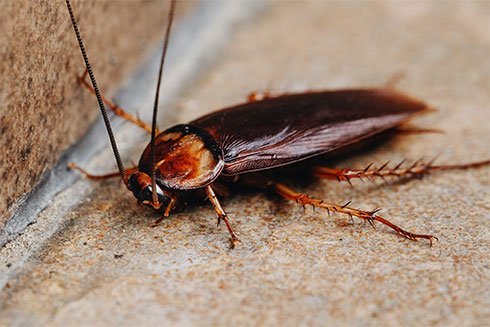
Cockroach Control

Professional cockroach extermination services for homes and commercial spaces.

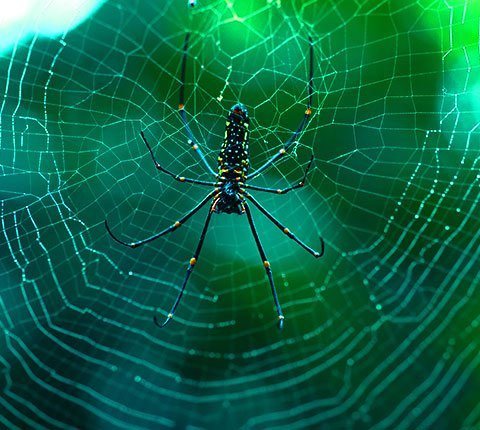
Spider Control

Safe and effective spider control treatments for homes and businesses.

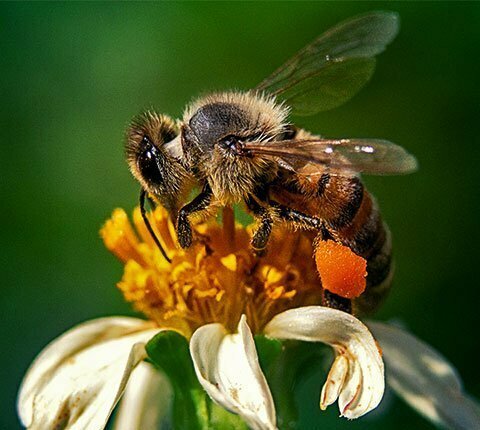
Bee Control

Professional bee hive removal and relocation services.

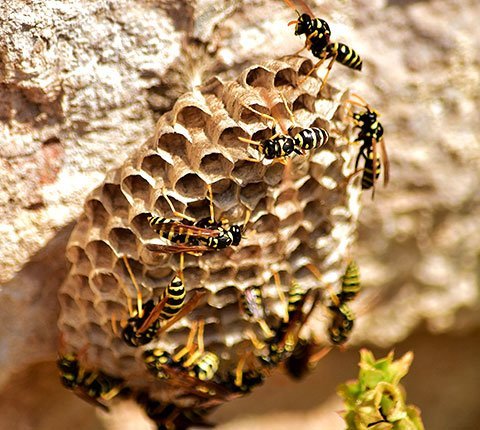
Wasps Control

Safe and professional wasp nest removal services for homes and businesses.

Rodent Control

Complete rodent control solutions to eliminate rats and mice from your property.

Bed Bug Control

Professional bed bug treatment services to eliminate infestations quickly.

Termite Control

Comprehensive termite inspection and treatment services to protect your property.

Fly Control

Professional fly control treatments for homes, restaurants and commercial spaces.

Moth Control

Effective moth control solutions to protect clothing and stored food items.

Rat Removal

Professional rat removal services to eliminate infestations safely.

Mites Control

Advanced mite treatment solutions to protect your home and family.

Bird Control

Professional bird control solutions to prevent nesting and property damage.

Possum Removal

Humane possum removal and relocation services for residential and commercial properties.

Silverfish Control

Professional silverfish control treatments to protect your home and stored items.

Areas We Serve

Providing reliable and effective pest control services across multiple locations