Location

Silverfish Look Harmless. The Damage They Leave Behind Tells a Different Story.

You pull a book off the shelf and find the spine eaten away. Opening a wardrobe reveals small irregular holes in a cotton shirt you haven’t worn since last season. Documents stored carefully for years show yellowed staining across the pages.

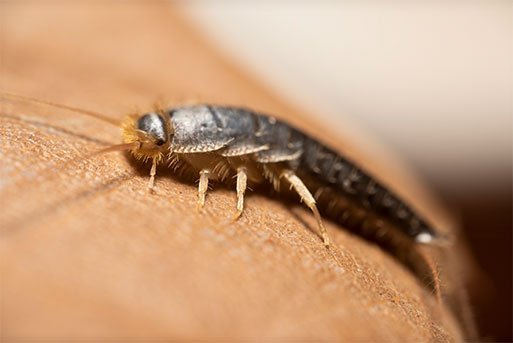
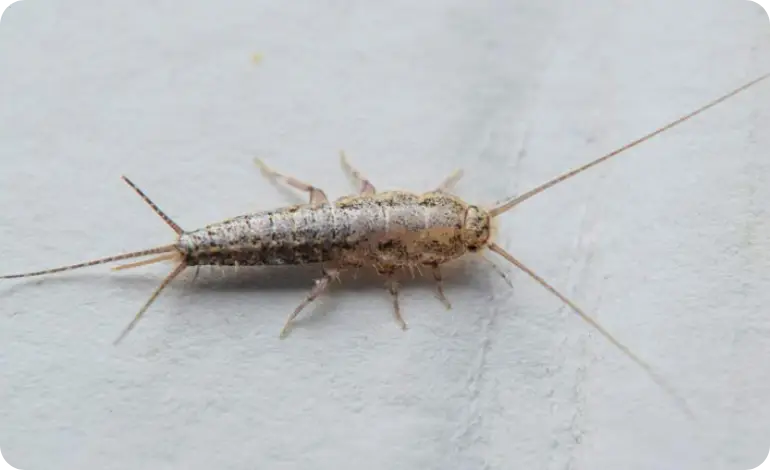
Silverfish rarely get the urgent attention that rats or cockroaches do. Most people assume they’re a minor inconvenience. But silverfish cause real, cumulative damage to some of the hardest-to-replace items in a home. Books, photographs, important documents, vintage clothing, wallpaper, and stored fabrics all attract them. Left untreated, a silverfish infestation quietly destroys those things over months and years.

Why Silverfish Infestations Are Hard to Shake

Silverfish live extraordinarily long lives for an insect. Some species reach eight years of age. A single female produces hundreds of eggs across her lifetime. Eggs hatch slowly and the nymphs develop through multiple stages before reaching adulthood. This long, drawn-out lifecycle means an infestation you treat today can still produce new adults months later if eggs are left untreated in undisturbed areas.

They’re also nocturnal. Most people never see them at all until numbers grow large enough that individuals turn up during the day. By then, the infestation is usually well established across multiple areas of the property.

Melbourne 24×7 Pest Control treats silverfish infestations across Melbourne homes and commercial properties. We inspect every area where silverfish harbour, treat all life stages, and address the underlying conditions that allow populations to build. We’re available 24 hours a day, 7 days a week including same-day callouts.

Where Silverfish Actually Live in Melbourne Homes

Most people find silverfish in bathrooms and kitchens and assume those are the source. They’re not. Those locations attract silverfish because of moisture. The actual population lives and breeds elsewhere.

Roof Voids and Subfloors

Silverfish are tolerant of quite large temperature ranges, found in damp cool subfloors and hot, dry roof voids. These spaces provide exactly what silverfish need. Darkness, undisturbed conditions, cellulose-based material from timber and insulation, and consistent temperatures. A large silverfish population lives in roof voids and subfloors of Melbourne homes while only a fraction of the population appears in living areas. Treating living areas without treating roof voids and subfloors produces limited, temporary results.

Wall Cavities and Skirting Boards

Wall cavities, the gaps behind skirting boards, and the spaces inside architraves give silverfish protected travel routes through a property. They move between the roof void and lower living areas through these internal pathways. Crack and crevice treatment of these areas is an essential part of any thorough silverfish job.

Wardrobes, Storage Areas, and Bookshelves

Dark, undisturbed wardrobes and storage areas with natural fibre clothing, linen, and cardboard boxes are prime feeding grounds. Silverfish feed on the cellulose in paper and cardboard, the starch in fabric sizing, and the keratin in natural fibres. Items stored undisturbed for long periods provide ideal conditions without any interruption to their activity.

Why DIY Products Don’t Resolve the Problem

Retail silverfish products address the insects you can see. They don’t penetrate into roof voids, wall cavities, or subfloor spaces where the bulk of the population lives. Surface sprays applied to bathroom tiles and kitchen cupboards kill silverfish that contact treated surfaces. They don’t affect eggs. They don’t reach into the undisturbed spaces that harbour the main colony.

Most people who treat silverfish with retail products see a temporary reduction in visible activity. Within weeks or months, numbers return because the source population in the roof void or subfloor was never touched.

What Professional Treatment Covers

Professional silverfish treatment uses a combination of methods matched to the property layout and infestation extent. Insecticide dust applied to roof voids treats the primary harbouring zone that retail products never reach. Residual spray applied to skirting boards, wall junctions, and internal storage areas creates a treated barrier that kills silverfish moving through living spaces. Crack and crevice treatment targets the internal pathways silverfish use to travel between levels. Where a subfloor is accessible, treatment of that space removes another major population source.

A professional job covers the whole property, not just the rooms where silverfish are visible.

Silverfish as a Moisture Indicator

Finding silverfish in significant numbers often signals a moisture or ventilation problem in the property. High humidity in subfloor spaces from poor ventilation, bathroom or laundry leaks that have created dampness in walls, and inadequate roof void ventilation all create conditions that silverfish populations exploit.

Treating the silverfish without addressing the moisture issue means the conditions that built the population remain in place. We identify and advise on contributing moisture and ventilation factors as part of every silverfish assessment.

How We Treat Silverfish Infestations

Every job starts with a full property inspection. We assess activity in living areas, wardrobes, storage spaces, and wherever accessible, the roof void and subfloor. We confirm the extent of the infestation before recommending a treatment approach.

Treatment combines insecticide dust in roof voids and subfloors, residual spray to skirting boards, cupboard interiors, and wall junctions, and targeted crack and crevice treatment throughout the property. We advise on storage changes, moisture management, and ventilation improvements that support long-term control.

Covering All of Melbourne, Every Day of the Year

We service the full Melbourne metropolitan area including the CBD, inner suburbs, and all outer north, south, east, and west suburbs through to the Mornington Peninsula. Homes, rental properties, strata complexes, offices, storage facilities, libraries, and archival businesses. Same-day callouts available every day including weekends and public holidays.

Stop Silverfish From Destroying What Matters to You

Call Us Now on 0450 510 555

Melbourne 24×7 Pest Control. Licensed technicians. Thorough treatment. Guaranteed results.

FAQ - Silverfish Control Melbourne

Almost certainly not. Silverfish turn up in bathrooms because of the moisture, not because they live there. They absorb moisture through their skin rather than drinking water, which draws them to humid environments like bathrooms and laundries. The actual population lives in darker, more undisturbed areas of the property. Roof voids, subfloors, and the spaces inside wall cavities are where silverfish breed and harbour in large numbers. Bathrooms and kitchens are feeding and moisture-gathering areas for a population that originates elsewhere. Treating the bathroom alone doesn’t address where the silverfish actually come from.

Two things. First, retail products don’t penetrate into roof voids, wall cavities, or subfloor spaces where the majority of the population lives. You kill the insects that contact the treated surface. The rest of the population in the roof void continues undisturbed. Second, silverfish eggs resist most contact insecticides. Even if you eliminate every adult in a room, eggs deposited in cracks and undisturbed corners hatch weeks or months later and the cycle starts again. Professional treatment uses insecticide dust in roof voids and subfloors combined with residual products and crack and crevice treatment throughout the property. That combination reaches the source population rather than just dealing with the individuals appearing in living areas.

The most reliable short-term protection is removing the items from cardboard boxes and storing them in sealed plastic or airtight containers. Silverfish feed on cellulose in cardboard and paper. Sealed containers remove access to the food source. For items already showing damage, inspect them carefully for eggs and silverfish before resealing. Check along spine bindings, between pages, and in any folds or creases. For highly valuable or irreplaceable items including photographs, historical documents, and rare books, professional treatment of the storage area and surrounding spaces is worth doing before rehousing the items. We regularly treat home offices, archival storage rooms, and study areas for this reason.

No. Silverfish don’t bite, sting, or carry disease-causing pathogens. They pose no direct health risk to people or pets. The concern with silverfish is entirely about property damage. Their feeding on paper, fabric, and adhesives destroys items. Their shed scales and faecal matter can cause minor staining on surfaces and fabrics. Some people with asthma or allergies report reactions to silverfish scale particles in heavily infested environments, but this is not a common concern for most households. The primary reason to treat silverfish promptly is to prevent ongoing damage to possessions, not for health protection.

Roof voids provide ideal silverfish conditions. Timber, insulation, cellulose-based debris, consistent temperatures, and complete darkness make them a preferred harbouring zone. Silverfish enter roof voids through gaps around roof penetrations, at the junction between external wall cladding and the roofline, and through any opening in the soffit lining. Once established in the roof void, populations build to significant numbers before any activity shows up in living areas below.

Treating the roof void directly with insecticide dust is the most effective way to address the primary harbouring population. This is a step most DIY treatments never include and it’s the main reason professional treatment produces better long-term results than retail products applied to living areas alone.

Silverfish are active year-round in Melbourne. Unlike some pests that peak in warmer months, silverfish tolerate a wide temperature range. They thrive in both the warm, humid conditions of summer and the cool, damp conditions of winter. Activity may feel more noticeable in winter when homeowners spend more time indoors and are more likely to encounter silverfish in living areas. But the population itself doesn’t shrink seasonally. A well-established infestation in a roof void or subfloor runs continuously regardless of the time of year.

Very likely yes. Silverfish populations grow fastest in humid environments. Properties with poor subfloor ventilation, undetected plumbing leaks inside wall cavities, bathrooms without adequate exhaust ventilation, or leaking gutters and downpipes that create external moisture penetration all provide conditions that silverfish exploit. Finding significant silverfish activity is often an early indicator that a moisture or ventilation issue needs attention. Treating the silverfish infestation and ignoring the moisture conditions means the property stays attractive to new silverfish populations. We advise on contributing moisture and ventilation factors as part of every inspection so you can address both problems together.

Silverfish don’t damage structural timber the way termites do. The damage they cause is to the contents of a property rather than its fabric. Books, documents, photographs, natural fibre clothing, cotton and linen stored items, wallpaper, and adhesives are all at risk. Over a long period, a heavy infestation can cause significant cumulative damage to collections of books, stored paperwork, vintage clothing, and archival material. For households with valuable book collections, irreplaceable documents, or significant textile collections, treating silverfish promptly is genuinely important. Replacing damaged items is often impossible and always expensive.

Call 0450 510 555 any time. We’re available 24 hours a day, 7 days a week including weekends and public holidays. Tell us where you’ve been seeing silverfish activity and what items you’ve noticed damage on. That helps us prepare for the inspection and focus on the most likely harbouring areas on your property.

services

Expert solutions for every pest problem

Ants Control

Professional ant extermination services to eliminate colonies and prevent reinfestation.

Cockroach Control

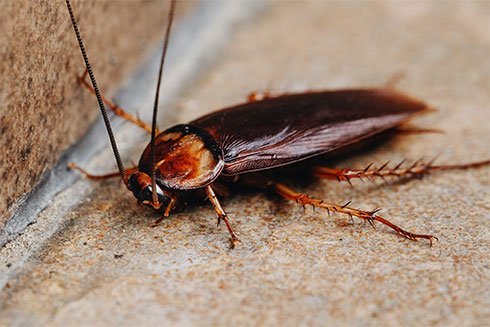
Professional cockroach extermination services for homes and commercial spaces.

Spider Control

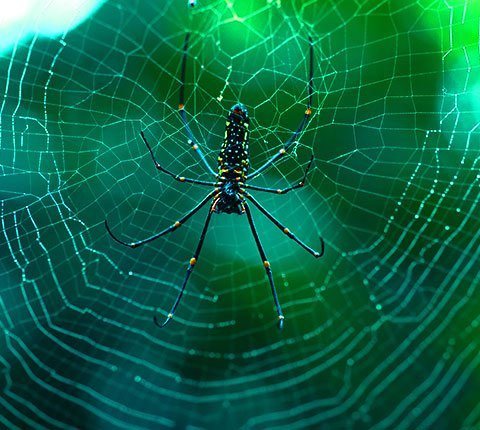
Safe and effective spider control treatments for homes and businesses.

Bee Control

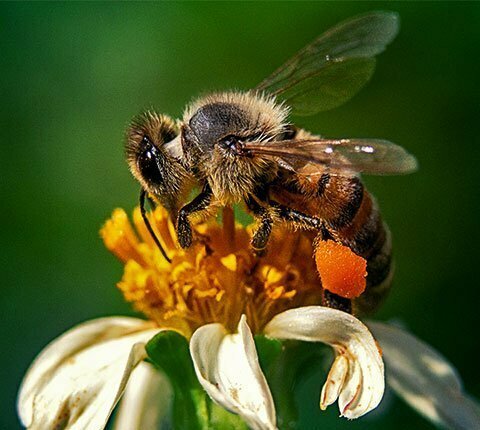
Professional bee hive removal and relocation services.

Wasps Control

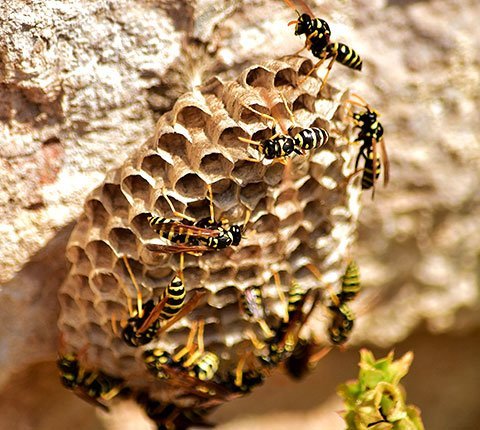
Safe and professional wasp nest removal services for homes and businesses.

Rodent Control

Complete rodent control solutions to eliminate rats and mice from your property.

Bed Bug Control

Professional bed bug treatment services to eliminate infestations quickly.

Termite Control

Comprehensive termite inspection and treatment services to protect your property.

Fly Control

Professional fly control treatments for homes, restaurants and commercial spaces.

Moth Control

Effective moth control solutions to protect clothing and stored food items.

Rat Removal

Professional rat removal services to eliminate infestations safely.

Mites Control

Advanced mite treatment solutions to protect your home and family.

Bird Control

Professional bird control solutions to prevent nesting and property damage.

Possum Removal

Humane possum removal and relocation services for residential and commercial properties.

Silverfish Control

Professional silverfish control treatments to protect your home and stored items.

Areas We Serve

Providing reliable and effective pest control services across multiple locations