Location

Flies Are Not Just Annoying. They’re a Genuine Health Risk.

One fly landing on your food is not a minor inconvenience.

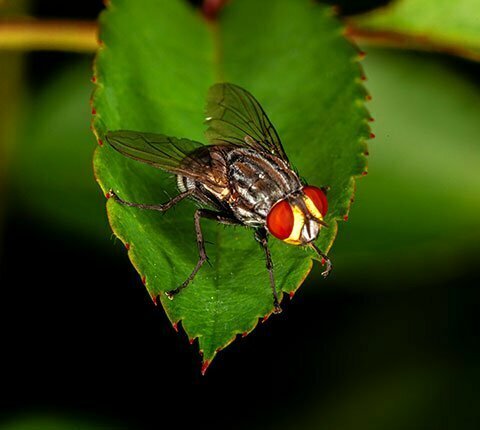
A single housefly carries millions of bacteria on its body. Before it feeds, it regurgitates digestive fluid onto the surface it lands on. Every landing deposits bacteria collected from wherever that fly was before. Bins. Drains. Animal droppings. Rotting waste.

Most people know flies are unpleasant. Far fewer realise how quickly a fly problem becomes a genuine health issue.

For homes, persistent fly activity puts food safety at risk every single day. For restaurants, cafes, and commercial kitchens, flies are not just a customer complaint. A fly infestation can trigger a health authority notice, a compliance failure, or a forced closure.

Melbourne 24×7 Pest Control treats fly infestations across residential and commercial properties throughout Melbourne. We identify the species, find the breeding site, treat the source, and stop the problem from coming back. We’re available 24 hours a day, 7 days a week including same-day callouts.

Fly Species We Treat in Melbourne

Getting the species right is the first step to getting lasting results. Different flies need completely different treatment approaches.

House Flies are the most common species in Melbourne homes and food businesses. They breed in decaying organic matter, uncovered food waste, compost, and animal droppings. A single female can lay up to 500 eggs in her short lifetime. In Melbourne’s warm summers, eggs hatch into maggots within 24 hours and a new adult fly emerges within a week. A small problem in January can become overwhelming by February if nothing is done.

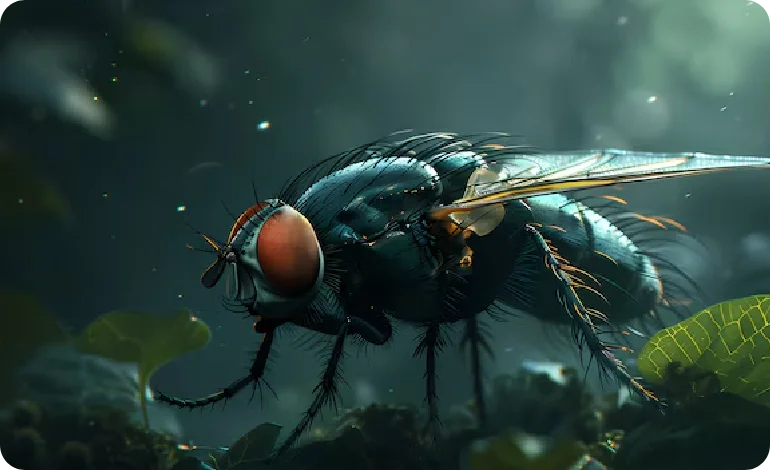
Blowflies are the large, loud, metallic green or blue flies that appear around meat, fish, pet food, and animal waste. They’re common around barbeque areas, outdoor bins, and properties with chickens. They also find their way to deceased animals, which is often what drives a sudden blowfly surge into a home with no obvious external source.

Fruit Flies are small, slow-moving, and drawn to fermentation and overripe produce. They breed inside drains, in the organic film coating sink pipes, around fruit left in bowls, and in the wet residue at the bottom of recycling bins. They seem to appear from nowhere and stay forever because the breeding source is usually somewhere people don’t immediately look.

Drain Flies are tiny and moth-like. They breed in the organic film inside drain pipes, floor waste grates, and grease traps. They emerge from plug holes, floor drains, and sink overflow gaps. Treating the adult fly without treating the drain achieves nothing. They come straight back within days.

Cluster Flies behave completely differently to every other species. They don’t breed indoors and they have nothing to do with food or waste. They move inside in autumn to hibernate through winter and appear on warm days in large numbers, usually near ceilings or in upper rooms. Most people have never heard of them and have no idea what they’re looking at.

Why the Problem Keeps Coming Back

Fly sprays and sticky traps kill adult flies. They do nothing about the breeding site.

If the breeding site stays untreated, new adults keep emerging from the same location every week. A drain full of organic build-up keeps producing fruit flies regardless of how many adults you kill. A void space with a deceased animal keeps producing blowflies. A neglected grease trap keeps producing drain flies.

Treating the symptom without treating the cause is why fly problems frustrate so many households and businesses for months at a time.

Professional fly control starts by finding the actual breeding source before applying anything. Treatment targets the source first, then adult harbouring zones, then the entry points letting flies in. For commercial premises we also provide ongoing monitoring and compliance documentation.

How We Treat Fly Infestations

We start with a proper inspection. We identify the species, find the breeding sites, check the entry points, and work out what’s drawing flies to the property.

Treatment depends on what we find.

Residual insecticide applied to resting and alighting surfaces knocks down adult populations fast. Bio-foam drain treatment breaks down the organic matter that drain flies and fruit flies breed in. Fly baiting systems eliminate high volumes of adults around bins, waste areas, and entry points. UV insect light traps go into commercial settings where ongoing monitoring matters.

Before we leave, we give you straight, practical advice on the environmental changes that make the biggest long-term difference. Some of them are simple. Some are things people wouldn’t think to check without being told.

Covering All of Melbourne, Every Day of the Year

We service the full Melbourne metropolitan area including the CBD, inner suburbs, and all outer north, south, east, and west suburbs through to the Mornington Peninsula.

Homes, restaurants, cafes, hotels, aged care facilities, food manufacturing businesses, and commercial kitchens. Same-day callouts available every day including weekends and public holidays.

Stop Sharing Your Home or Business With Flies

Call Us Now on 0450 510 555

Melbourne 24×7 Pest Control. Licensed technicians. Proper treatment. Guaranteed results.
FAQ - Flies Control Melbourne

The breeding source is almost always somewhere people don’t immediately think to check.

The most likely culprits are the organic film inside sink drain pipes, residue at the bottom of recycling bins and bottles that haven’t been rinsed, liquid pooling under a fridge or dishwasher, and the base of indoor plant pots with wet soil.

Even a tiny amount of fermenting matter sustains a fruit fly population indefinitely. Wiping down benches and removing fruit helps, but it won’t fix the problem if a drain or a hidden wet area is still producing them. We locate and treat the actual source, which is what breaks the cycle.

Almost certainly cluster flies.

They behave completely differently to every other fly species. They don’t breed indoors and they have nothing to do with food or waste. In autumn, they move inside roof voids and wall cavities to hibernate through winter. On warm days, heat from the sun disturbs them and they emerge in large numbers, usually near ceilings or upper rooms.

Spraying the adults in the room doesn’t fix anything because the mass hibernating behind the wall or ceiling is still there. Treatment targets the harbouring spaces directly.

Yes, and this happens more often than most people expect.

A sudden blowfly surge inside a home with no obvious food source almost always points to a deceased animal somewhere in the roof void, subfloor, or wall cavity. A possum, rat, or bird that dies in an enclosed space produces a significant infestation as it decomposes. The flies emerge through ceiling light fittings, exhaust vents, and gaps between the ceiling and wall cavity.

If you’re seeing large metallic green or blue flies appearing from above and there’s no external source to explain it, something has died in the roof. Call us and we’ll help identify the source.

Call us on 0450 510 555 right now. Same-day service is available for commercial food premises facing urgent hygiene situations.

Under the Food Act in Victoria, fly control is a compliance requirement. We treat the infestation, install UV insect light traps where needed, treat drains and waste areas, and give you documentation of the treatment for your compliance records.

We understand what’s at stake for a hospitality business before an inspection. We work quickly and discreetly.

Start with us.

Drain flies breed in the organic film and grease build-up inside drain pipes, floor waste grates, and grease traps. We treat drains using bio-foam that breaks down the organic matter they breed in. That eliminates the breeding site rather than just killing adults.

Depending on how long the build-up has been developing, a grease trap service or drain jetting from a plumber may also be warranted. We’ll tell you honestly what sits in each category after we inspect.

Fly screens on windows and doors need to be properly fitted with no gaps at the edges or tears in the mesh to do their job properly.

Residual insecticide applied to external door and window frames creates a treated zone that kills flies as they attempt to enter. Air curtains work well on high-traffic commercial entries.

Reducing what draws flies to the outside of the building also matters. Uncovered bins near entry points, standing water, pet droppings in a courtyard, and food scraps from an outdoor dining area all pull fly activity right up against your building. Cut down the attractants and you cut down the pressure on every entry point.

Yes. We select products appropriate for the environment we’re treating.

In commercial food preparation areas, we use formulations that comply with food safety standards and we advise on re-entry timing before anyone returns to treated surfaces. UV insect light traps need no chemical application at all and run continuously. We walk through exactly what we’re using and why before we treat anything in a food-handling environment.

For a home with a clearly identified breeding source that’s been eliminated, one treatment is often enough.

For commercial properties, ongoing monitoring is almost always worthwhile. Breeding conditions reestablish quickly in a commercial kitchen or food storage environment. A regular servicing program with documented visits also keeps you compliant with food safety standards under Victorian legislation. We tailor the schedule around your business type and trading hours.

Melbourne’s heat dramatically accelerates fly breeding. What takes a week in mild weather can happen in two to three days during a heatwave. A manageable breeding source in spring can produce overwhelming numbers by mid-summer purely because temperatures are higher.

Neighbourhood factors also play a role. Construction sites, skips, and changes to nearby food businesses or waste management can spike local fly populations quickly. If the problem has appeared suddenly and your own property seems clean, the source may be partly or entirely off your property. We inspect and advise on what’s driving it and what you can do on your side to reduce the impact.

Call 0450 510 555 any time. We’re available 24 hours a day, 7 days a week including weekends and public holidays.

If it’s urgent, particularly for a commercial kitchen or food business, tell us when you call and we’ll get to you the same day.

services

Expert solutions for every pest problem

Ants Control

Professional ant extermination services to eliminate colonies and prevent reinfestation.

Cockroach Control

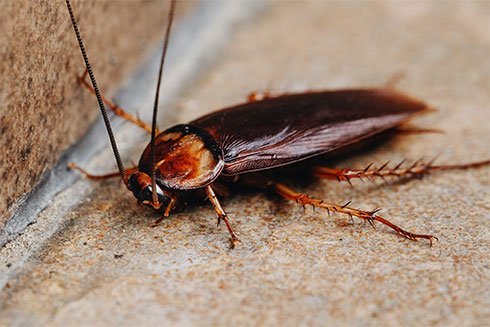
Professional cockroach extermination services for homes and commercial spaces.

Spider Control

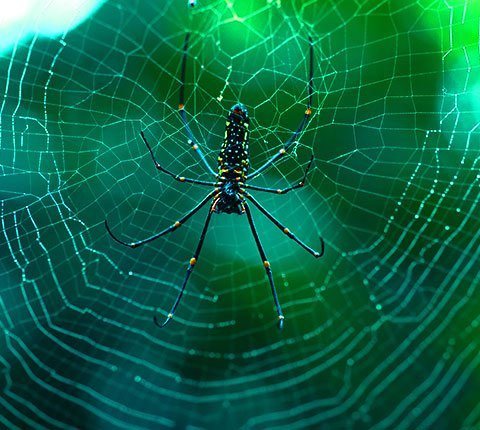
Safe and effective spider control treatments for homes and businesses.

Bee Control

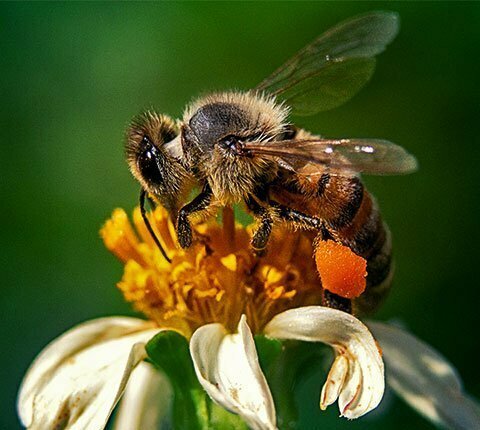
Professional bee hive removal and relocation services.

Wasps Control

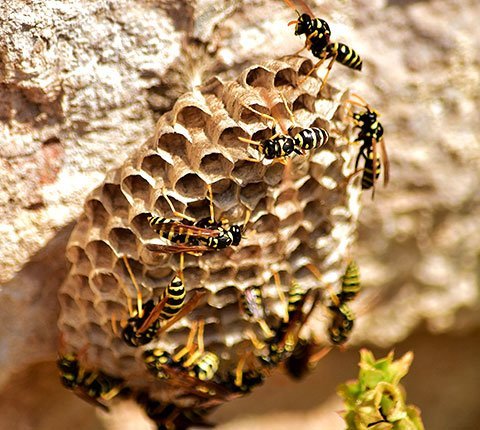
Safe and professional wasp nest removal services for homes and businesses.

Rodent Control

Complete rodent control solutions to eliminate rats and mice from your property.

Bed Bug Control

Professional bed bug treatment services to eliminate infestations quickly.

Termite Control

Comprehensive termite inspection and treatment services to protect your property.

Fly Control

Professional fly control treatments for homes, restaurants and commercial spaces.

Moth Control

Effective moth control solutions to protect clothing and stored food items.

Rat Removal

Professional rat removal services to eliminate infestations safely.

Mites Control

Advanced mite treatment solutions to protect your home and family.

Bird Control

Professional bird control solutions to prevent nesting and property damage.

Possum Removal

Humane possum removal and relocation services for residential and commercial properties.

Silverfish Control

Professional silverfish control treatments to protect your home and stored items.

Areas We Serve

Providing reliable and effective pest control services across multiple locations