Location

One Rat Is Never Just One Rat.

That scratching in the ceiling at 2am.

The small dark droppings behind the fridge you spotted this morning.

The gnaw marks through the corner of a cereal box in the pantry.

Each one on its own might seem minor. Together, they’re telling you something is already well established inside your home and has been for a while.

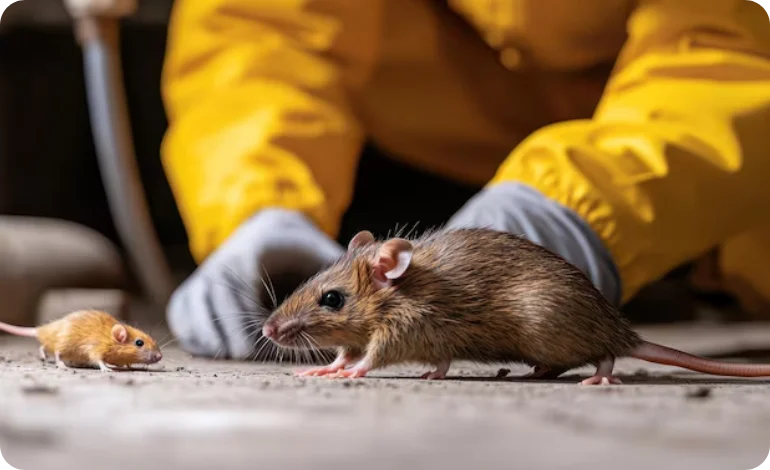
Rodents don’t move in alone. By the time most people notice the signs, there’s a family nesting somewhere in the roof void, wall cavity, or subfloor. A female Norway rat produces up to 50 offspring in a single year. Roof Rats aren’t far behind. House mice breed even faster.

The health risks are serious. Rodents carry Salmonella, Leptospirosis, Tuberculosis, and Tapeworm. They contaminate food surfaces, leave droppings in pantries, and spread bacteria through urine trails along the routes they travel every night.

The property damage is just as bad. Rodents gnaw constantly because their teeth never stop growing. Electrical wiring, insulation, pipe lagging, and structural timber are all fair game. Chewed wiring inside a wall cavity is one of the more common causes of house fires that ends up listed as an unknown electrical fault.

Melbourne 24×7 Pest Control finds where they’re getting in, where they’re nesting, and how far the infestation has spread before we treat anything. Then we deal with the whole problem, not just what’s visible. We’re available 24 hours a day, 7 days a week, with same-day callouts available.

The Three Rodent Species We Most Commonly Treat

Getting species identification right changes the entire treatment approach. Bait placement for a Norway rat at ground level is completely different to what’s needed for a Roof Rat living in your ceiling.

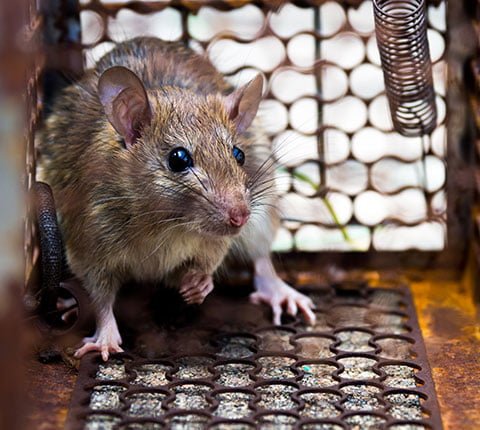
Norway Rats are the big, heavy-bodied ones. They burrow through soil, under concrete slabs, and into subfloor spaces. You’ll find their activity near drains, compost bins, garden sheds, and along building perimeters. They’re cautious by nature and suspicious of anything new in their environment, which is exactly why a poorly placed bait station gets ignored for weeks.

Roof Rats are leaner, longer-tailed, and excellent climbers. They’re behind most of the ceiling scratching complaints we get called out for across Melbourne. They get in through overhanging tree branches, roofline gaps, broken tiles, and unsealed pipe or cable penetrations. Once inside, they nest in insulation batts and chew through wiring.

House Mice are smaller and faster-breeding than either rat species. A single pair can produce well over a hundred offspring in a year. They squeeze through gaps as small as 6mm, which means almost no building is off-limits. They contaminate far more food than they actually eat, and the smell of a mouse infestation in a kitchen or pantry becomes noticeable quickly.

Why Supermarket Bait and Snap Traps Don’t Fix It

Snap traps catch individual animals. They do nothing about the entry points, the nesting sites, or the rest of the population hidden in spaces you can’t see or reach.

Over-the-counter bait blocks create a different problem. They’re single-feed rodenticides. A rat that takes a partial dose can carry pieces of bait back to the nest and drop them in accessible spots, creating a direct secondary poisoning risk for pets and children.

One more thing worth knowing. In Victoria, glue traps are completely prohibited, including for use by pest control operators. Any company still offering them is not operating legally.

Professional treatment uses tamper-resistant bait stations filled with commercial-grade formulations, placed precisely where each species travels and feeds. Modern professional rodenticides are also designed to encourage rats to leave the building and seek water before dying. That significantly reduces the chance of a carcass rotting inside your wall cavity, something retail products don’t account for at all.

How We Treat a Rodent Infestation

We start with a full inspection. Roof void, subfloor, wall cavities, garden perimeter, drainage points, and every external face of the building. We look for greasy rub marks along wall edges, gnaw damage near cable entry points, burrow openings in garden beds, and dropping patterns that confirm species and activity levels.

Then we place tamper-resistant bait stations at every active zone and harbourage area, tailored to the species and their actual travel routes.

We seal confirmed entry points. We return for follow-up visits to check activity, replace consumed bait, and remove any carcasses found inside.

The job isn’t finished when the bait goes down. It’s finished when activity has completely stopped and every entry point is closed.

We Cover All of Melbourne, Every Day of the Year

We service the entire metropolitan area including the CBD, inner suburbs, and all outer north, south, east, and west through to the Mornington Peninsula.

Homes, rentals, strata complexes, restaurants, cafes, warehouses, aged care facilities, schools, and offices. Same-day callouts available every day including weekends and public holidays.

Don’t Wait for the Problem to Get Bigger

Call Us Now on 0450 510 555

Melbourne 24×7 Pest Control. Licensed technicians. Thorough treatment. Guaranteed results.

FAQ - Rodent Control Melbourne

It’s the most common sign of a Roof Rat infestation and it’s worth taking seriously. The scratching and scurrying sound at night is distinctive because rodents are primarily nocturnal and most active between midnight and early morning. A possum in the roof sounds quite different heavier, slower, and more of a thudding movement. If you’re hearing fast, light scratching or gnawing sounds concentrated in one area of the ceiling, and particularly if it happens consistently, rodents are the most likely cause. Call us and we’ll assess it properly rather than guessing.

Not necessarily on its own, but it warrants a proper look. A single dead rat in the garden could mean a neighbour has recently baited, a local cat has been active, or there’s a population nearby that’s starting to move into your area. Check around your perimeter for burrow openings, particularly near compost bins, under garden sheds, and along fence lines. Look for gnaw marks near drain covers, gaps under doors, and around cable entry points. If you find any of those signs alongside the dead rat, call us before the population gets any further established.

Wall cavity noise is trickier to diagnose than ceiling noise. Rodents do nest and travel inside wall cavities, particularly around pipe runs and cable chases that give them easy vertical movement through the building. Other possibilities include possums that have found their way into a wall space, large insects, or even contracting timber in temperature changes. The key difference with rodents is that the sound is usually more frequent, happens at night, and you may hear gnawing as well as movement. If you also notice a musky smell near skirting boards or air vents, that’s a strong indicator. Give us a call and describe what you’re hearing and we can usually narrow it down quickly.

Rats don’t respect property boundaries and a neighbouring infestation absolutely can push rodents into your property, particularly if the neighbour is actively baiting and displacing the population. The best thing you can do right now is walk the full external perimeter of your building and look for any gap larger than 12mm. Pay particular attention to where pipes and cables enter the building, gaps under doors, weep holes in brick construction, and the roofline if you have overhanging tree branches. Cutting back any branches that overhang the roof removes a major access route for Roof Rats specifically. Call us for a proofing inspection if you want a thorough assessment before any activity starts on your side.

Standard single-dose retail rodenticides carry a real secondary poisoning risk for pets, which is why we don’t use them. Professional treatment uses multi-dose rodenticide formulations placed inside tamper-resistant, lockable bait stations that are physically inaccessible to dogs and cats. The product itself also requires a larger cumulative dose to cause harm, which significantly reduces secondary poisoning risk even if a pet encounters a treated rodent. We position bait stations in locations that are accessible to rodents but not to household pets and children. We’ll always walk through the placement with you before leaving so you know exactly where everything is.

In Victoria, landlords are generally required to provide and maintain a rental property in a reasonably clean and safe condition. A rodent infestation that was present before the tenancy began or that results from structural defects in the property is typically the landlord’s responsibility to fix. If the infestation developed during the tenancy as a result of tenant behaviour, the responsibility can shift. The practical advice is to document what you’re seeing with dated photos, notify your property manager in writing, and request treatment be arranged. If you’re a landlord needing to address a rodent problem between tenancies or during one, we service rental properties regularly and can work around access requirements.

The clearest sign is a complete stop in audible activity at night over several consecutive nights. Alongside that, fresh droppings stop appearing in the areas where you’d previously been seeing them. Consumed bait at follow-up visits is expected early in the program and reduces over time as the population declines. By the second or third follow-up visit, bait consumption should have dropped significantly. We don’t consider a job complete after a single bait placement. Follow-up visits are part of our standard treatment process because that’s the only way to confirm the infestation has actually been resolved rather than just reduced.

This is unfortunately a common situation after rodent treatment, particularly when retail bait has been used. The smell of a rodent carcass inside a wall cavity peaks around four to seven days after death and can persist for several weeks depending on temperature. There’s no fast fix that doesn’t involve opening the wall. Short-term measures include sealing off air vents from that cavity, placing odour-absorbing sachets near skirting boards, and increasing ventilation in the room. If the smell is severe or you have health concerns, call us. In some cases we can help locate the approximate position of the carcass to assist a builder or handyman with targeted access.

Yes. Roof Rats in particular are skilled climbers and regularly access upper-floor apartments via pipe chases, service ducts, and gaps around cable penetrations between floors. Mice are even more capable of travelling vertically through building structures via the smallest gaps. High-rise apartments and multi-storey commercial buildings require a different treatment approach to houses, usually involving bait placement within internal risers, service voids, and common area harbourage zones. If you’re in a strata property, coordinating treatment across the whole building is far more effective than treating individual units in isolation. We work with strata managers and body corporates regularly.

Call 0450 510 555 any time day or night. We’re available 24 hours, 7 days a week including public holidays. Let us know what signs you’ve been noticing and we’ll give you a straightforward assessment of what’s likely going on and what needs to happen. Same-day inspections are available for urgent situations.

services

Expert solutions for every pest problem

Ants Control

Professional ant extermination services to eliminate colonies and prevent reinfestation.

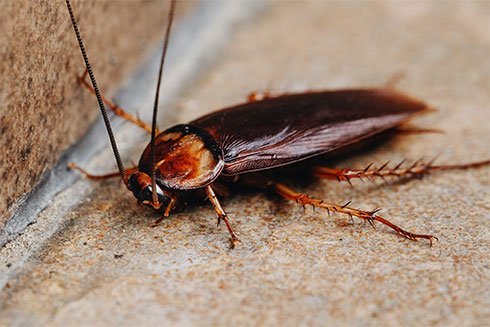
Cockroach Control

Professional cockroach extermination services for homes and commercial spaces.

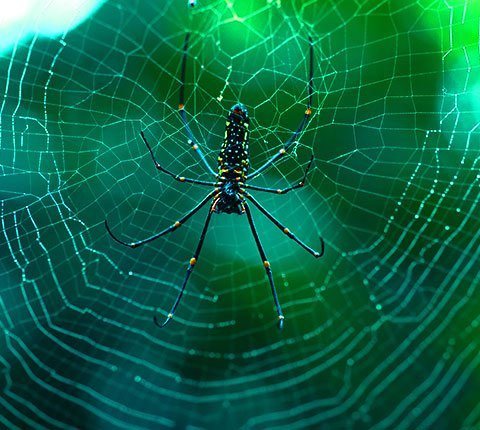
Spider Control

Safe and effective spider control treatments for homes and businesses.

Bee Control

Professional bee hive removal and relocation services.

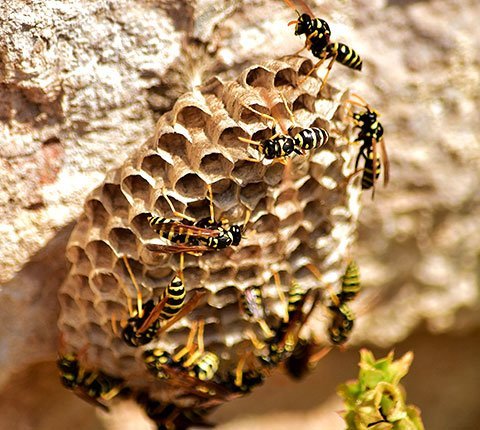
Wasps Control

Safe and professional wasp nest removal services for homes and businesses.

Rodent Control

Complete rodent control solutions to eliminate rats and mice from your property.

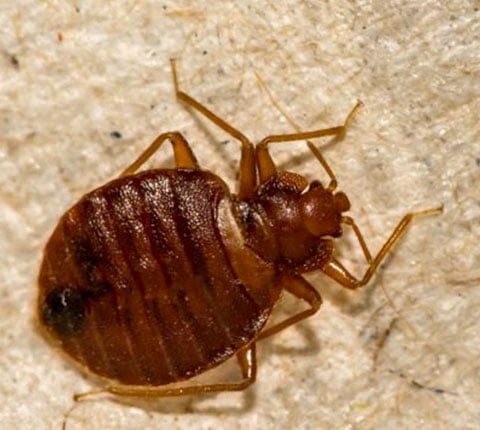
Bed Bug Control

Professional bed bug treatment services to eliminate infestations quickly.

Termite Control

Comprehensive termite inspection and treatment services to protect your property.

Fly Control

Professional fly control treatments for homes, restaurants and commercial spaces.

Moth Control

Effective moth control solutions to protect clothing and stored food items.

Rat Removal

Professional rat removal services to eliminate infestations safely.

Mites Control

Advanced mite treatment solutions to protect your home and family.

Bird Control

Professional bird control solutions to prevent nesting and property damage.

Possum Removal

Humane possum removal and relocation services for residential and commercial properties.

Silverfish Control

Professional silverfish control treatments to protect your home and stored items.

Areas We Serve

Providing reliable and effective pest control services across multiple locations